
We’d rather spend the extra few minutes working out exactly what’s wrong than guess and hope. Sometimes it’s the cylinder, sometimes it’s the frame — knowing which one before we start is what actually fixes it.
A lock that’s playing up gets properly diagnosed before anything else happens. Our technicians identify the actual cause across Bondi, so the fix genuinely holds instead of needing another callout a few weeks later.
A lock that’s giving trouble tends to get worse, not better, the longer it’s left, so Bondi bookings get slotted in without unnecessary delay.
If your door or hinges are genuinely the issue, that’s exactly what gets addressed instead.
Toolboxes stay closed until identification’s been shown, a habit our Bondi technicians never skip, no matter how routine the repair seems.

Bondi’s coastal air introduces more airborne salt than most suburbs, gradually accelerating corrosion inside exterior lock mechanisms over time. This often results in stiffness that’s easy to dismiss at first. Our technicians clean and repair affected components properly. This is especially common in homes closer to the coastline. Reliable repair extends the lock’s genuine working life considerably.
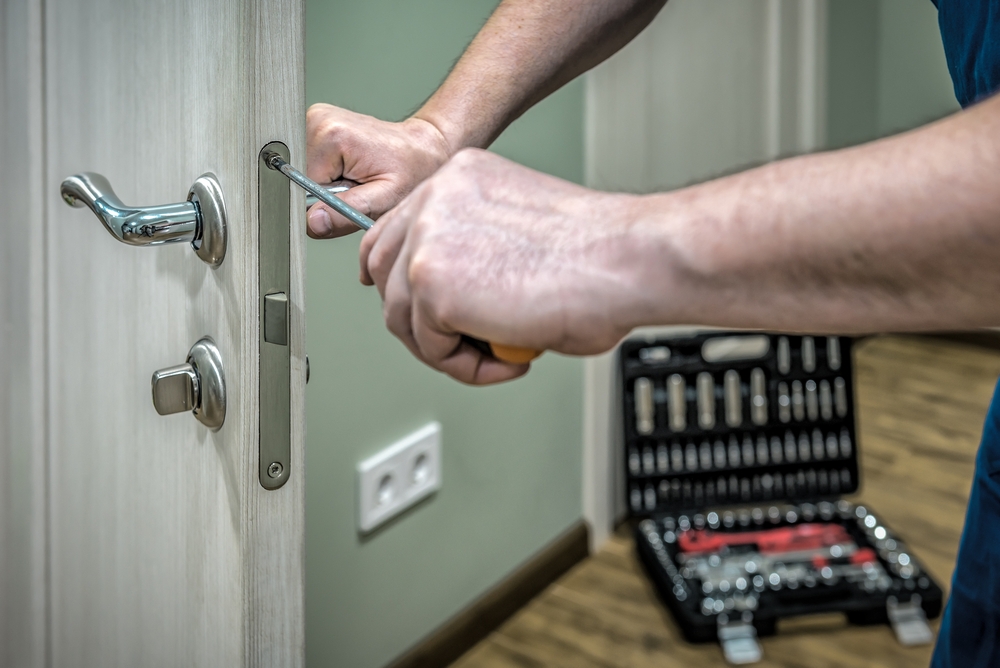
Fine sand carried in on hands, bags, or clothing can work its way into a lock’s keyhole over repeated use near the beach. This often results in gradual grinding or resistance building up. Our technicians clean the mechanism thoroughly and properly. This is especially common in households with regular beach access. Reliable repair restores smooth, dependable operation quickly.
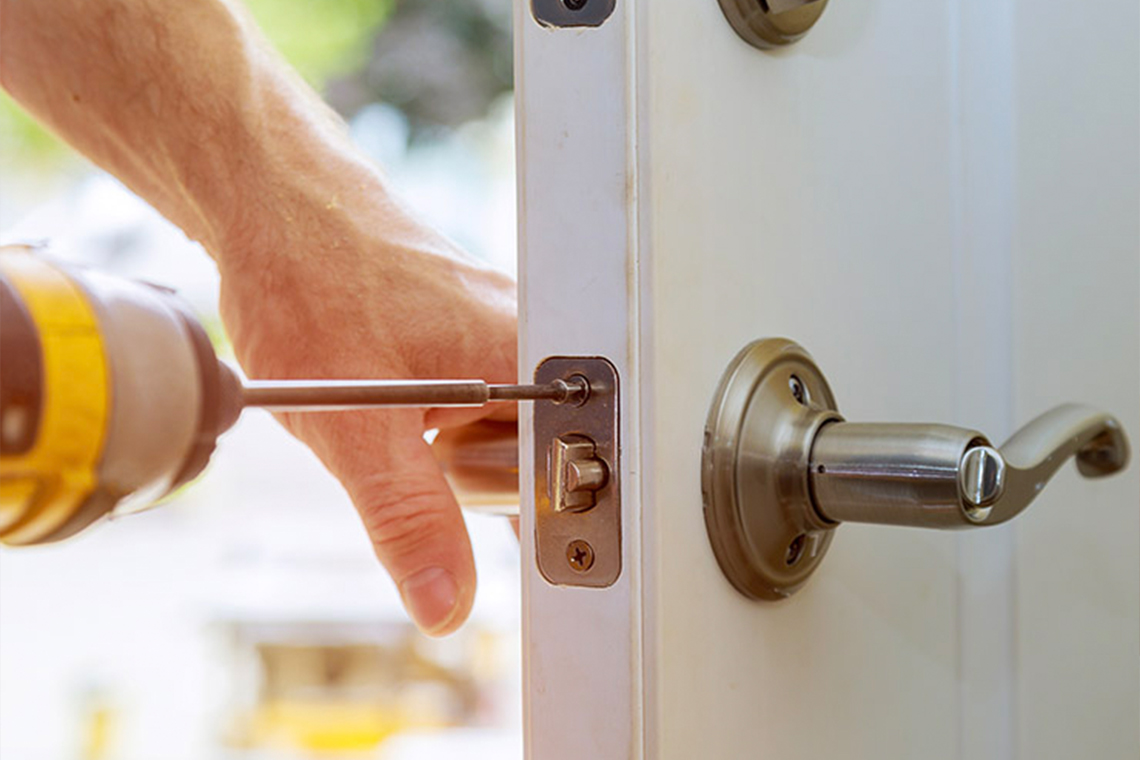
Warmer, more humid stretches can cause timber doors to swell slightly, putting pressure on the lock even though the mechanism itself is fine. This often gets mistaken for a genuine lock fault. Our technicians assess both the door and lock together. This is especially common on older Bondi properties with original timber doors. Reliable repair addresses the real underlying cause.
Locks used heavily by short-term guests or holiday renters experience considerably more wear than those used by a single household. This often results in faster deterioration than expected for the lock’s age. Our technicians assess and repair the mechanism as needed. This is especially common in Bondi properties used for short-term stays. Reliable repair keeps the lock performing consistently.
A lock that’s gone stiff, sticky, or downright uncooperative is one of those problems that’s easy to ignore right up until the moment it isn’t — usually at the worst possible time, arms full of shopping, key refusing to turn. If you’re dealing with a lock repair issue in Bondi, whether it’s a jammed deadbolt, a wobbling handle, or a key that’s snapped clean off inside the cylinder, this is one of the most common calls we handle, and almost always fixable without a full lock replacement.
Bondi Locksmith repairs locks across every corner of the suburb, and coastal wear is a genuine, recurring factor here that homeowners further inland simply don’t deal with to the same degree.
Properties within a few streets of Bondi Beach experience noticeably accelerated internal corrosion in lock mechanisms due to airborne salt. Springs and pins that would comfortably last a decade or more in an inland suburb can seize, corrode, or weaken within just a few years this close to the coast. This is one of the single biggest reasons stiffness and sticking dominate our repair callouts in Bondi specifically.
In these cases, a locksmith can typically resolve the issue on the spot without replacing the lock body at all.
Locking hardware on rental properties and certain strata buildings in NSW is generally expected to meet AS/NZS 4145 requirements for locks and locking devices, which matters both for security and, in some cases, for insurance purposes on a rental property. A locksmith carrying out repair work on security or deadlock hardware should be familiar with these standards, particularly when advising a landlord on whether a repair is sufficient or a full replacement is the safer route.
A lock repair can usually wait for a standard appointment if the issue is mild stiffness or a slightly loose handle. It becomes more urgent if:
Stiff, sticky, or damaged locks are one of the most common issues Bondi homeowners deal with, largely thanks to the suburb’s coastal conditions doing a number on internal lock mechanisms faster than almost anywhere else in Sydney. Most problems are genuinely repairable without replacing the whole unit, but knowing when a repair is enough and when replacement is the smarter long-term call makes a real difference to your home’s security. Regular servicing, the right lubricant, and catching stiffness early go a long way toward avoiding a full lock failure down the track.
Same-Day Appointments Available
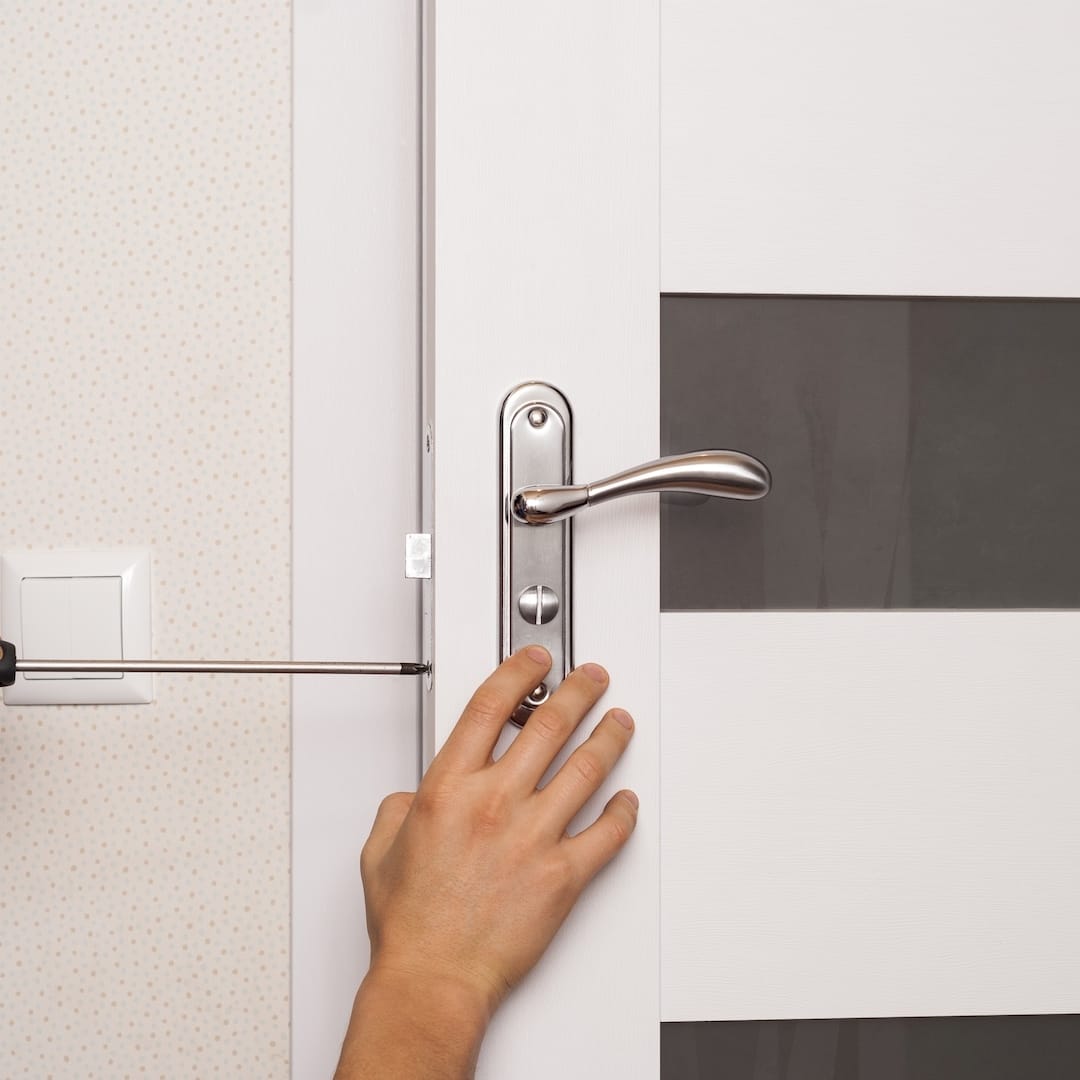
Often yes, particularly if the strike plate can be adjusted to accommodate the door's seasonal movement.
It shouldn't, provided the actual cause was correctly diagnosed rather than just treating the symptom.
Yes, this usually points to an internal mechanical fault that can be identified and repaired directly.
This suggests a possible alignment issue, and it's worth mentioning so we check the strike plate carefully.
Yes, security screens are repaired using the same careful, non-destructive approach as standard doors.
